

Key Takeaways
- Not Just Secretaries: Virtual Nursing Assistants (VNAs) aren’t just for scheduling. Many act as “Virtual Sitters,” watching live camera feeds to stop patients from falling.
- Beating Burnout: They handle the busy work—up to 30% of admin tasks—so bedside nurses can actually focus on patients.
- Saving Money: A remote VNA costs significantly less than an on-site hire and allows for 24/7 monitoring.
- Jobs Are Booming: Hospitals are desperate for help, and remote support is the fastest way to get it.
Walk into any hospital ward right now. You won’t just see nurses saving lives. You will see them buried under paperwork, fighting with slow computers, and running down hallways to answer alarms that turn out to be nothing—a chaotic environment where virtual nursing assistants are becoming essential to keep the system running.
It’s exhausting. About 45% of nurses say they are burned out. Many are quitting.
But there is a fix, and it doesn’t involve robots. It involves a smarter way of staffing.
It sounds strange at first. How can you help a patient if you aren’t in the room? The truth is, the best way to help a busy nurse isn’t always adding another body to the floor. Sometimes, the best help is someone five hundred miles away, handling the digital mess so the physical hands can do what they do best.
What is a Virtual Nursing Assistant, Really?
A Virtual Nursing Assistant is a remote pro who supports the medical team through technology. But be careful—people mix up the terms all the time. To get this right, you have to know there are two very different jobs:
- The Administrative VNA: This role often overlaps with that of a general Virtual Medical Assistant (MVA), handling insurance verification, charting, and patient follow-ups.
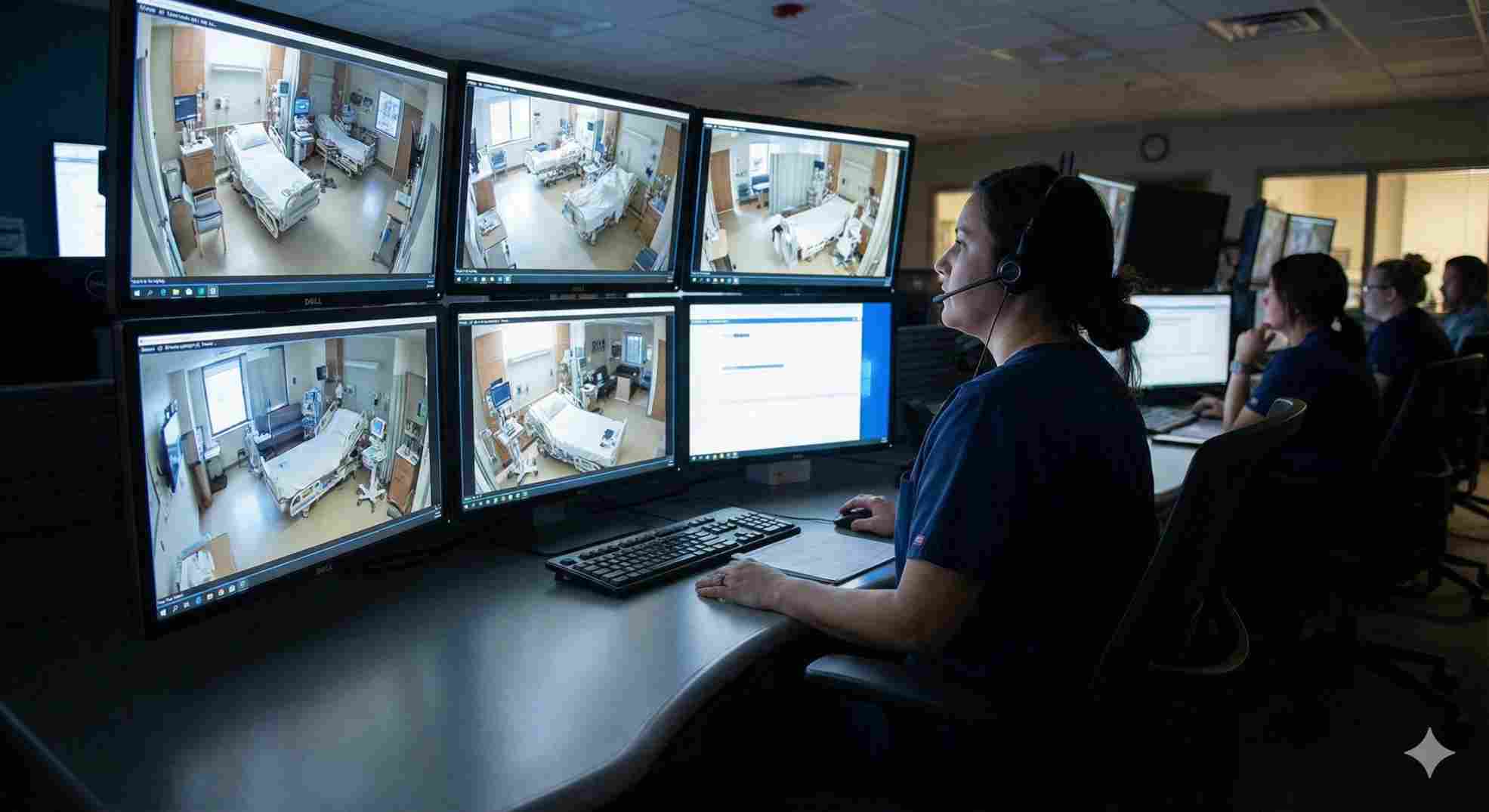
- The Clinical VNA (Virtual Sitter): This is the game-changer. These people watch patients through cameras to keep them safe.
Here is the part most people miss: This isn’t just a receptionist job.
In a hospital command center, one VNA might watch 12 different patients at the same time. Imagine a patient with dementia trying to climb out of bed. The VNA sees it on their screen and speaks into the room immediately: “Mr. Jones, please stay in bed. A nurse is coming to help you.”
That one intervention can stop a hip fracture. And it helps address the global nursing shortage without requiring a staff member to sit in a dark room for 12 hours straight.
VNA vs. Virtual Nurse vs. Medical VA
If you apply for the wrong job, you’re going to be disappointed. Here is how they stack up.
| Job Title | Virtual Nursing Assistant (VNA) | Virtual Nurse (RN) | Medical Virtual Assistant (MVA) |
|---|---|---|---|
| Main Goal | Keeping patients safe (Safety) | Medical decisions (Clinical) | Paperwork (Admin) |
| What You Need | CNA, MA, or EMT certification | Registered Nurse License (RN) | Usually none (just experience) |
| Daily Tasks | Watching cameras, checking vitals | Admissions, discharge planning | Billing, phones, typing |
| Typical Pay | $18 – $28 / hour | $35 – $55 / hour | $10 – $20 / hour |
What You Actually Do All Day
Your day-to-day depends entirely on where you work.
1. The “Virtual Sitter” (In the Hospital)
This is where the demand is. Hospitals put cameras in rooms for patients who might fall or hurt themselves.
- Eyes on the Screen: You watch live feeds. You have to be alert.
- Talking Down: You use the speaker to calm patients down if they get agitated.
- Fast Alerts: If someone falls, you hit the alarm for the floor staff instantly.
- Digital Vitals: You grab data from the machines and put it into the computer so the floor nurse doesn’t have to write it down.
2. The Admin Support (In a Clinic)
If you work for a private doctor, you are basically the traffic controller.
- Prep Work: You look at the patient’s history before the doctor even walks in.
- Scribing: You listen to the appointment and type the notes.
- Insurance Wars: You call the insurance companies to get medications approved.
- Sorting Calls: You decide which patient calls are emergencies and which can wait.
Why Hospitals Love This (The Money Part)
It’s simple math. Hospitals are businesses, and this model saves them a fortune.
| Expense | Regular CNA (In-Person) | Virtual Assistant | The Difference |
|---|---|---|---|
| Yearly Pay | ~$45,000 | $25,000 – $35,000 | 20-40% Saved |
| Extra Costs | Health insurance, 401k, office space | Almost zero (if contractor) | Huge Savings |
| Efficiency | Watches 1 patient at a time | Watches 12 patients at a time | 12x More Efficient |
How to Get Started
If you are a CNA or Medical Assistant and your back hurts from lifting patients all day, this is your way out.
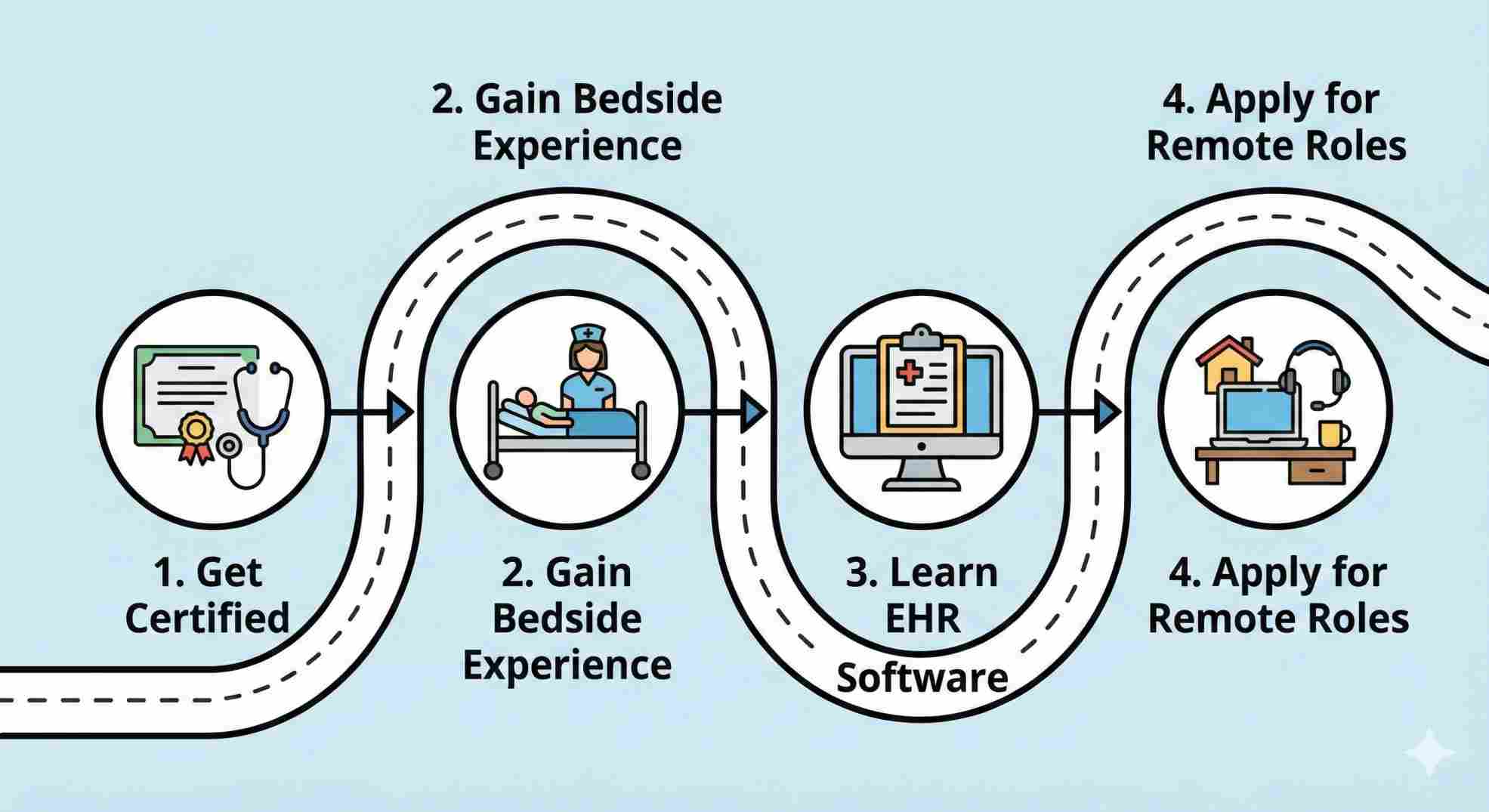
Step 1: Do You Have What It Takes?
- Experience: You usually need 2+ years of real bedside experience. You need to know what a sick patient looks like just by glancing at a screen.
- Computer Skills: You need to be fast. If you hunt and peck on the keyboard, this isn’t for you.
- The Paperwork: In the US, most places still want to see that CNA or MA license.
Step 2: Search Terms Matter
Don’t just search for “Virtual Assistant.” You’ll get results for Pinterest managers. Search for these instead:
- “Virtual Patient Observer”
- “Tele-sitter”
- “Remote Medical Scribe”
- “Clinical Documentation Specialist”
The Tools You Need
You can’t do this with just a laptop and Skype. You will be using some heavy-duty software.
| Type of Tool | Names You’ll See | What It Does |
|---|---|---|
| Electronic Records (EHR) | Epic, Cerner, AthenaHealth | The patient’s permanent Electronic Health Record (EHR). |
| Virtual Sitting Tech | AvaSure, CareView | The cameras and audio systems in the rooms. |
| Messaging | Voalte, TigerConnect | Like WhatsApp, but secure for hospitals. |
| Video Calls | Zoom for Healthcare, Doxy.me | HIPAA-compliant video conferencing. |
Will AI Take This Job?
It’s a fair question. If computers can write notes now, do we need humans?
Yes, we do. The job is just changing. AI is great at writing down what people say. But AI is terrible at looking at a patient’s face and realizing they are in pain, or noticing that someone is confused.
The “typing” jobs might go away. But the “watching and keeping people safe” jobs? Those are going to explode. The future VNA isn’t a typist; they are a safety controller.
Final Thoughts
Healthcare is struggling. Virtual Nursing Assistants are one of the few things that actually help everyone involved.
- Hospitals save cash.
- Nurses get a break from the busy work.
- Patients get looked after faster.
Whether you run a clinic or you’re a nursing assistant looking for a change, this is where the industry is heading.