

Let’s be honest, getting paid for your work in healthcare can feel needlessly complicated. You’re focused on patients, but then you’re hit with a wall of confusing codes and paperwork. A big part of that frustration comes from claim denials, and surprisingly often, those denials happen because of simple mix-ups with billing codes.
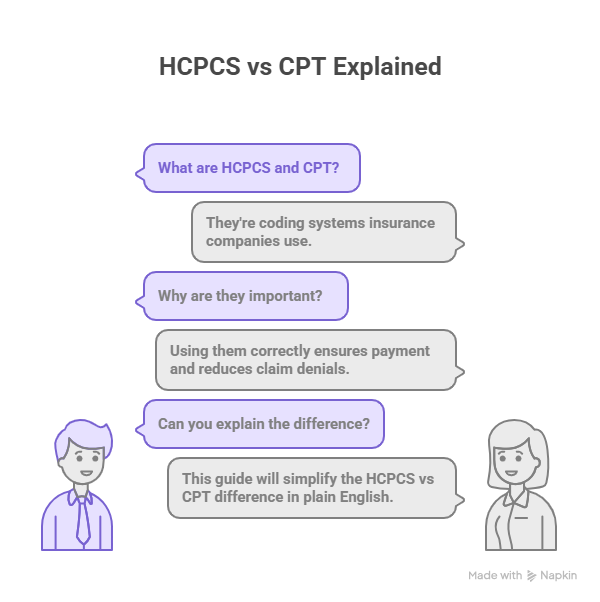
 At the center of it all is the HCPCS vs CPT puzzle. These aren’t just random letters; they’re the language insurance companies speak. Learning to use them correctly is the key to a healthy cash flow and less time spent fighting with insurance. This guide will cut through the jargon and show you exactly what you need to know about the HCPCS vs CPT difference, in plain English.
What Are CPT Codes? Explaining What You Do
Think about trying to explain every single medical procedure on a claim form. It would be a mess of long descriptions and inconsistencies. That’s why the American Medical Association (AMA) created the Current Procedural Terminology (CPT) codes way back in 1966.
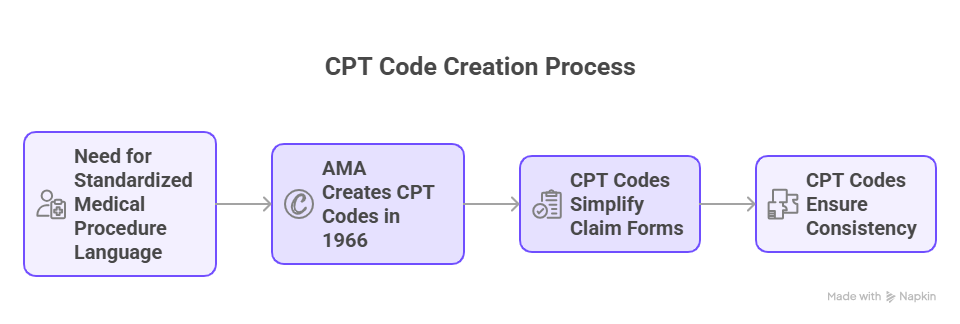

CPT codes are a straightforward way to tell insurance companies exactly what service you performed. They answer the simple question: “What did the doctor do for the patient?”
These five-digit numbers create a common language for everyone. A doctor in one state can bill for a procedure using the same code as a doctor across the country, which makes the whole system work.
A Quick Look at CPT Code Types
The CPT codebook is huge, but it’s organized into three basic groups:
Category I: These are the codes you see and use every single day. They cover everything from office visits and surgeries to lab tests and radiology. For example, the code 99214 tells a payer that you handled an office visit for a returning patient that required a fair amount of thought and examination.
Category II: You don’t bill with these codes. Think of them as tracking codes for quality programs. They help show payers that you’re meeting certain standards of care but don’t bring in any money on their own.
Category III: These are temporary codes for new, cutting-edge procedures. They give everyone a way to track new medical tech before it becomes mainstream and gets its own permanent Category I code.
The first step in understanding the CPT vs HCPCS codes difference is knowing that CPT is all about the hands-on service you provide.
What Are HCPCS Codes? Covering Everything Else
CPT codes do a great job of describing what a doctor does, but what about everything else that goes into patient care? What about the ambulance ride, the wheelchair the patient uses, or the specific drug you administered in the office?
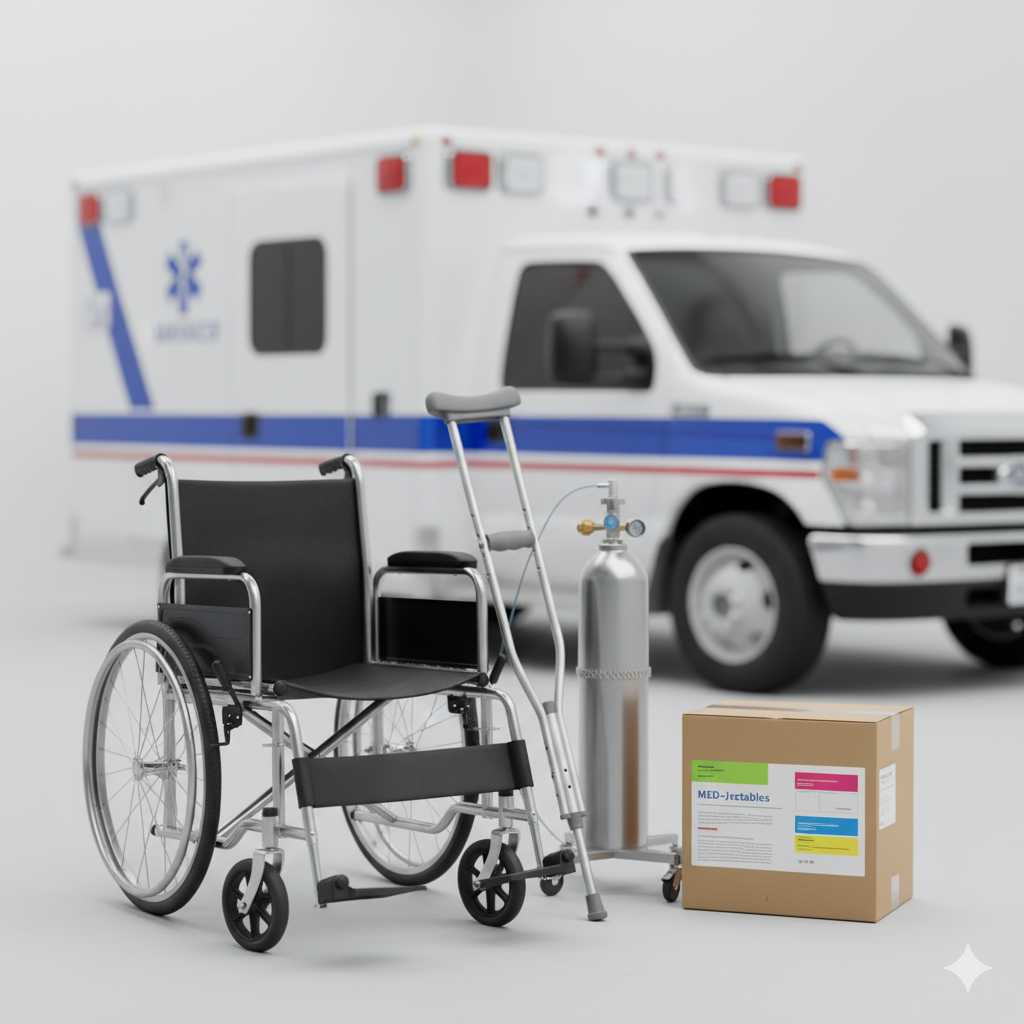
That’s where HCPCS (Healthcare Common Procedure Coding System) steps in. This system is managed by the Centers for Medicare & Medicaid Services (CMS), and it was designed to be a catch-all for the supplies, equipment, and services that CPT codes don’t cover.
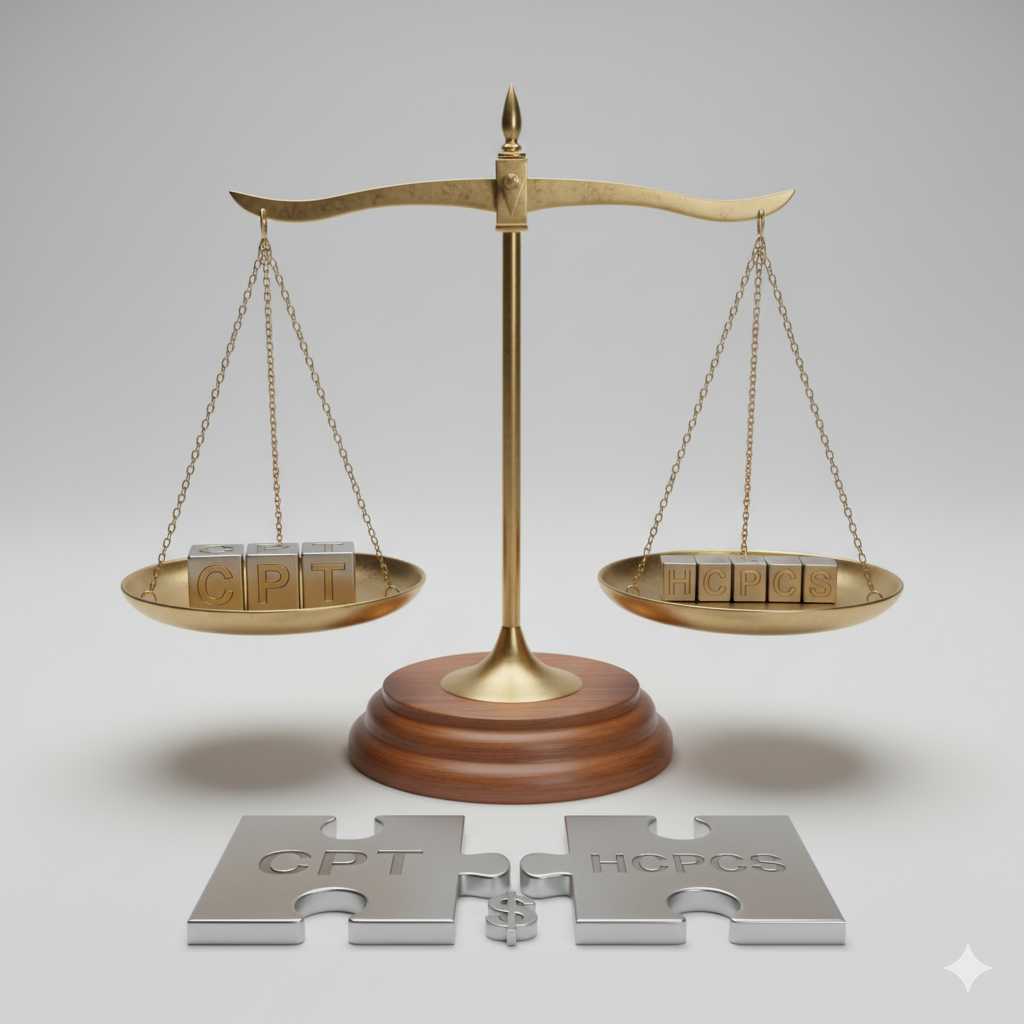
The best way to think about HCPCS codes vs CPT codes is like this: HCPCS is the big umbrella system, and CPT codes are just one part of it.
The Two Levels of HCPCS Codes
HCPCS is split into two levels:
Level I: This is just the CPT codebook. CMS decided to use the AMA’s CPT codes for all physician and provider services, so every CPT code is automatically a HCPCS Level I code. Simple enough.
Level II: This is where you see the real difference between HCPCS vs CPT. Level II codes are for all the stuff. They are a letter followed by four numbers and are used to bill for things like durable medical equipment (DME), prosthetics, ambulance services, and specific drugs. For example, the HCPCS code J0171 is for an “Injection, adalimumab.” There’s no CPT code for the drug itself, only for the act of giving the injection.
So, while a CPT code describes the action of giving a shot, the HCPCS Level II code describes the actual medicine in the syringe.
To make it even clearer, here are some common Level II code types:
| Code Prefix | What It Covers | Real-World Examples |
|---|---|---|
| A-Codes | Transportation & Medical Supplies | A0428 (Ambulance Trip), A4550 (Surgical Trays) |
| E-Codes | Durable Medical Equipment (DME) | E0601 (CPAP Machine) |
| J-Codes | Drugs Given in the Office | J9355 (Injection, Trastuzumab) |
This system makes sure you can get paid not just for your time and skill, but also for the products that are essential for treating your patients.
CPT vs HCPCS Codes: The Main Differences at a Glance
Let’s boil it all down into a simple table. This is the core of the CPT vs HCPCS codes distinction.
| Feature | CPT (HCPCS Level I) | HCPCS Level II |
|---|---|---|
| What It’s For | Billing for medical services and procedures. | Billing for supplies, equipment, and other services. |
| Who Manages It | American Medical Association (AMA) | Centers for Medicare & Medicaid Services (CMS) |
| What It Looks Like | Five numbers (e.g., 99214) | A letter and four numbers (e.g., J0171) |
Why This Really Matters for Your Practice’s Wallet
Knowing the difference between these codes isn’t just an academic exercise—it directly affects your income. Getting HCPCS and CPT codes wrong is one of the quickest ways to lose money and create headaches for your staff.
How Coding Mistakes Drain Your Bank Account

When you use the wrong code, claims get denied. A denied claim means your team has to stop what they’re doing, figure out what went wrong, fix it, and resubmit. All that extra work costs time and money for revenue you should have already collected as part of your revenue cycle management.
Think about this: a patient comes in for a breathing treatment (a CPT service) and you also provide them with a nebulizer machine to take home (a HCPCS Level II item). If your biller only codes for the treatment, you’ve just given away a piece of equipment for free. These little misses can add up to a huge financial hole over the year.
| Common Coding Mistake | What It Means | The Financial Hit |
|---|---|---|
| Forgetting to Bill for Supplies | You only bill for the procedure (CPT) but not the equipment (HCPCS). | You lose the money for the item you provided. |
| Using the Wrong Code | You use a general CPT code when a specific HCPCS code was needed. | The claim gets rejected, causing payment delays and extra work. |
| Upcoding | You use a code that pays more than the service you actually provided. | This is a huge red flag for audits and can lead to massive fines. |
Staying Out of Trouble with Audits

Beyond just getting paid, proper coding keeps you safe. Payers like Medicare are always on the lookout for billing errors that could be fraud. A pattern of incorrect coding can easily trigger an audit. Audits are stressful, time-consuming, and can result in you having to pay back money plus steep penalties. Knowing your HCPCS vs CPT codes is your best defense.
Let Us Handle the Headaches for You
You have enough on your plate with patient care. You shouldn’t have to be a full-time coding expert, too. That’s where a good partner can change everything.

Our medical billing services are designed to take this entire burden off your shoulders. Our team is made up of certified coders who know the difference between CPT vs HCPCS codes like the back of their hand. We make sure every claim accurately reflects all the work you did and all the supplies you provided.
With our help, you can:
Slash Your Denial Rate: We submit clean claims the first time, so you get paid without delay.
Stop Missing Out on Revenue: We catch everything, making sure you’re reimbursed for both your services (CPT) and your supplies (HCPCS).
Sleep Better at Night: We keep up with all the constant coding updates, so you can be confident you’re always compliant.
Stop letting billing mistakes get in the way of your practice’s success. Let us manage the paperwork so you can get back to your patients.