
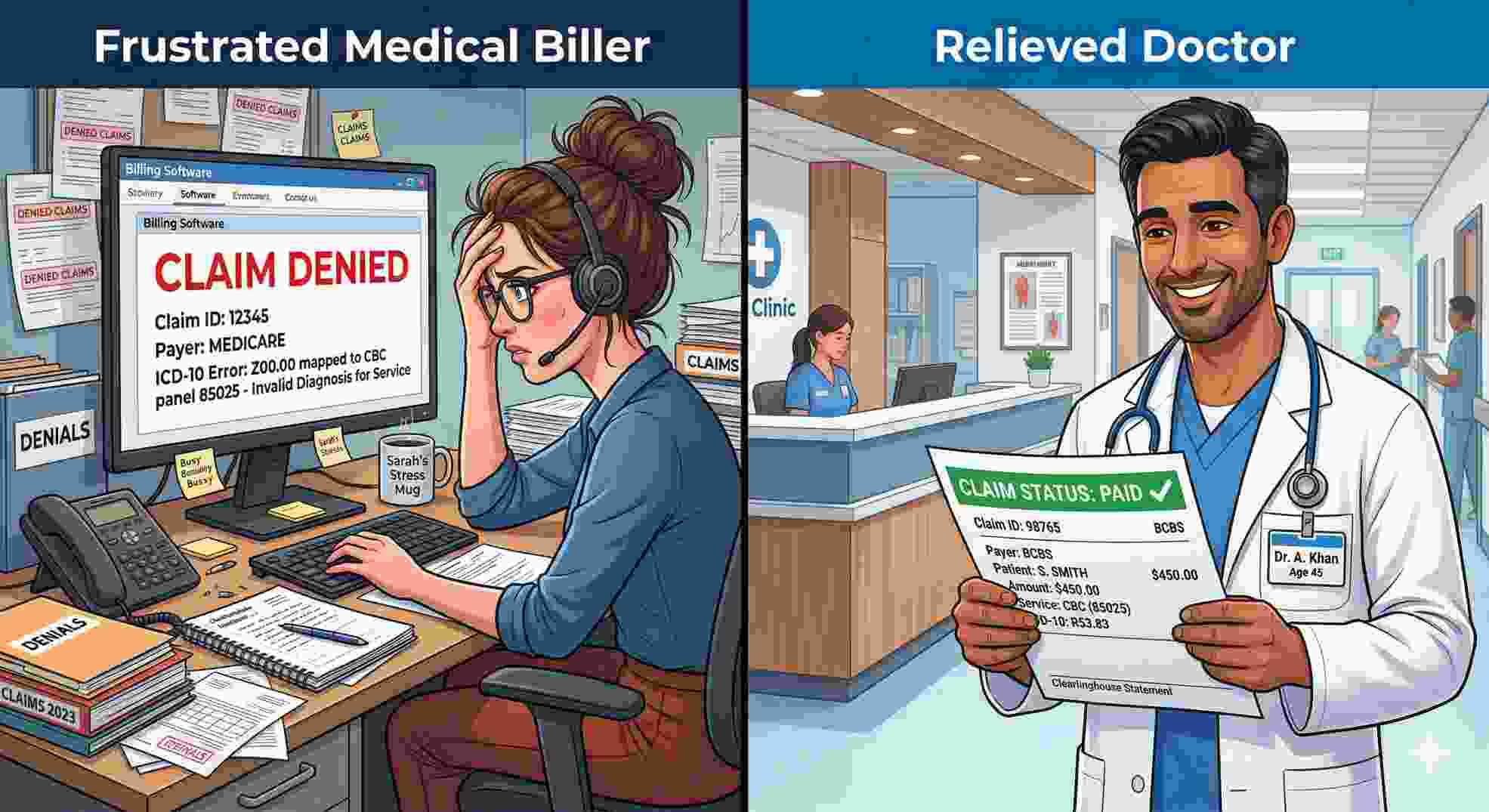
Ever wonder why a perfectly normal lab order gets denied over a single cbc icd 10 code error? It is a constant headache in the medical billing world. You draw the blood, your team processes the samples perfectly, but then a tiny alphanumeric slip-up causes a flat-out rejection from the insurance company. It’s beyond annoying. You are trying to take care of patients, not spend your afternoon arguing with a clearinghouse screen over a few digits.
The reality is that insurance rules are getting tighter. Whether it’s Medicare or a private payer, they’re looking for any reason to question why a test was done. If your office is still leaning on generic codes for every blood draw, you’re basically leaving money on the table. This matters because every denied claim is a drain on your energy and your bank account. It creates a backlog for your staff and, frankly, it’s a stress nobody needs.
The good news is that you don’t need a total department overhaul to fix this. Often, the solution is just a matter of being a bit more specific. By matching the right diagnosis to the right lab panel, you can stop those denials before they even happen. This guide is here to help your team navigate the world of Complete Blood Counts and metabolic panels so you can get paid what you’re owed without the back-and-forth.
The Insight Section: A Quick Fix for Your Billing Flow
Here’s a simple change that makes a huge difference: quit using Z00.00 as your “catch-all” for blood work.
It’s an easy habit to fall into—using the general exam code for everything. But if a patient tells you they’re feeling completely wiped out and you order a CBC, using a routine screening code is a red flag for payers. They’ll look at that and say, “If this was just a routine check-up, why did you need this specific test?”
The trick is to be precise. If someone is there because they’re exhausted, use the code for fatigue (like R53.83). That one small swap tells the insurance company exactly why the test was necessary, which can cut your lab denials significantly almost overnight.
Getting Specific with the cbc icd 10 code
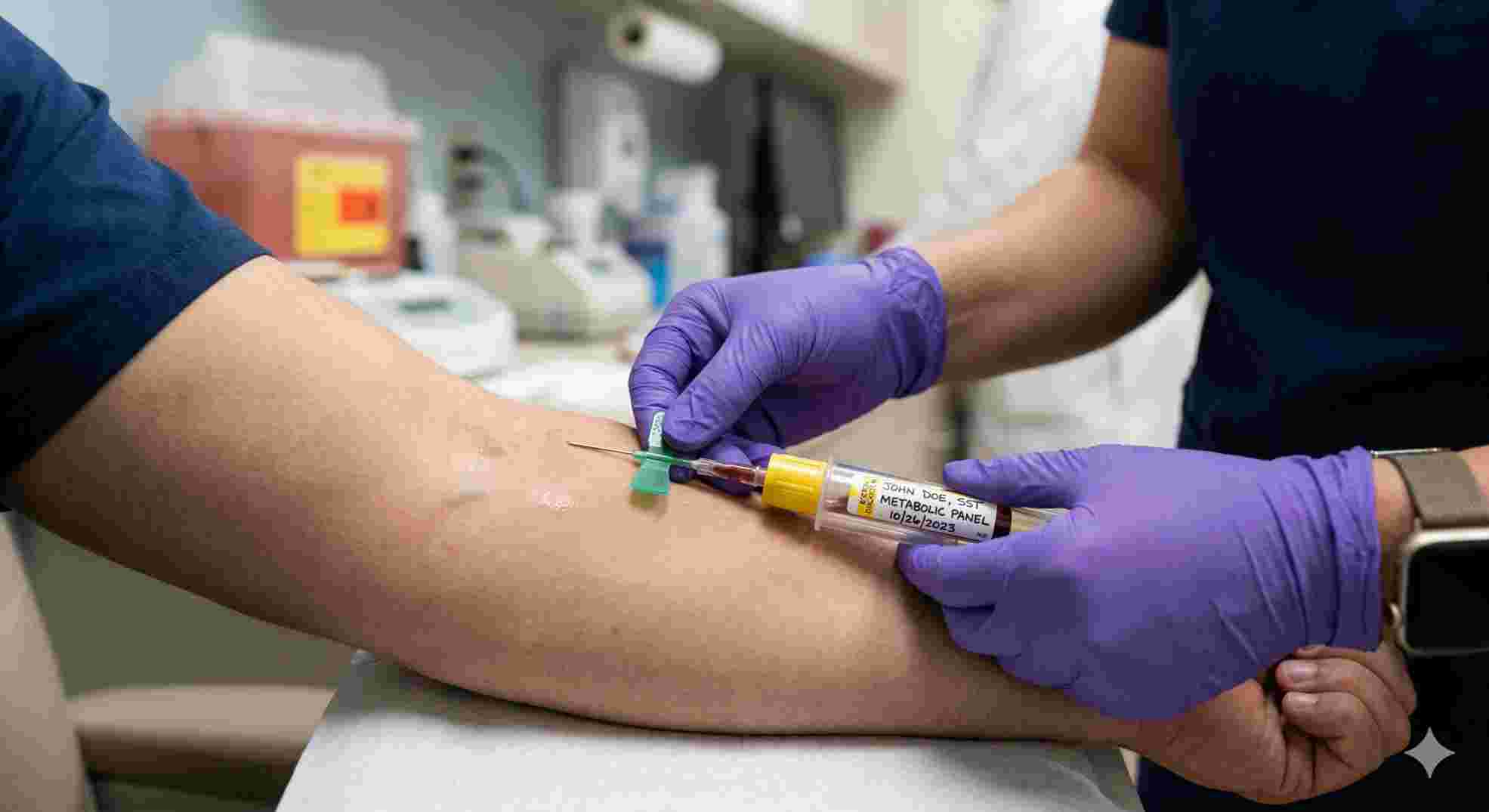
A Complete Blood Count (CBC) is pretty much the bread and butter of lab work. It tells you so much—red cells, white cells, platelets—it’s the first thing you look at to get a sense of what’s going on. But just because it’s a standard test doesn’t mean the billing is a walk in the park.
The cbc icd 10 code you use has to tell a story. It has to explain to the payer why this patient needed their blood analyzed today. Medicare and other big payers have lists of “approved” reasons for these tests, and if your code isn’t on that list, they won’t pay. If you are ever unsure about a specific diagnosis, you can always verify the latest classifications using the CDC’s official ICD-10-CM lookup tool.
For example, if you think there’s an infection, you need a code that reflects that. If the patient has a history of heavy periods and you’re checking for iron levels, that needs to be documented. The more specific your doctors are in their notes, the easier it is for your billers to pick the right code. Instead of just saying “anemia,” identifying it as “iron deficiency anemia” makes a much stronger case for why that CBC was vital.
Table 1: Common Diagnostic Codes for CBC Orders
| Patient Presentation / Reason for Test | Recommended ICD-10 Code | Description |
|---|---|---|
| Routine Annual Exam | Z00.00 | Encounter for general adult medical exam without abnormal findings |
| Suspected Anemia | D64.9 | Anemia, unspecified |
| Fatigue / Weakness | R53.83 | Other fatigue |
| Easy Bruising | R58 | Hemorrhage, not elsewhere classified |
| Pre-operative Clearance | Z01.818 | Encounter for other preprocedural examination |
Beyond the Basics: The cmp icd 10 code
While a CBC looks at cells, a Comprehensive Metabolic Panel (CMP) looks at how the body is actually running—things like liver and kidney function or blood sugar. Because this test is more detailed, the rules for the cmp icd 10 code are a bit different.
Usually, you’re ordering a CMP to keep tabs on a chronic issue like diabetes or high blood pressure. Insurance companies want to see that you’re using the test to manage an actual condition.
Finding the right dx code for cmp means looking closely at why the patient is there. Are they on a specific medication that might stress their kidneys? If so, you should use a code that reflects long-term drug use.
A common mistake is ordering a full CMP when a smaller panel would work. But if you have a genuine reason to check everything from electrolytes to liver enzymes, make sure your icd code cmp reflects that full scope. Don’t be vague; be intentional.
The bmp icd code: Keeping it Simple
Sometimes, you don’t need the full picture of a CMP. If you just need to check the basics—like sugar, salt levels, and kidney function—the Basic Metabolic Panel (BMP) is the way to go.
Payers watch these claims closely because they want to make sure you aren’t over-billing. Your bmp icd code needs to be spot-on. If a patient is dehydrated, use the code for dehydration (E86.0). It’s clear, it’s direct, and it tells the payer exactly why you needed to check those electrolyte levels.
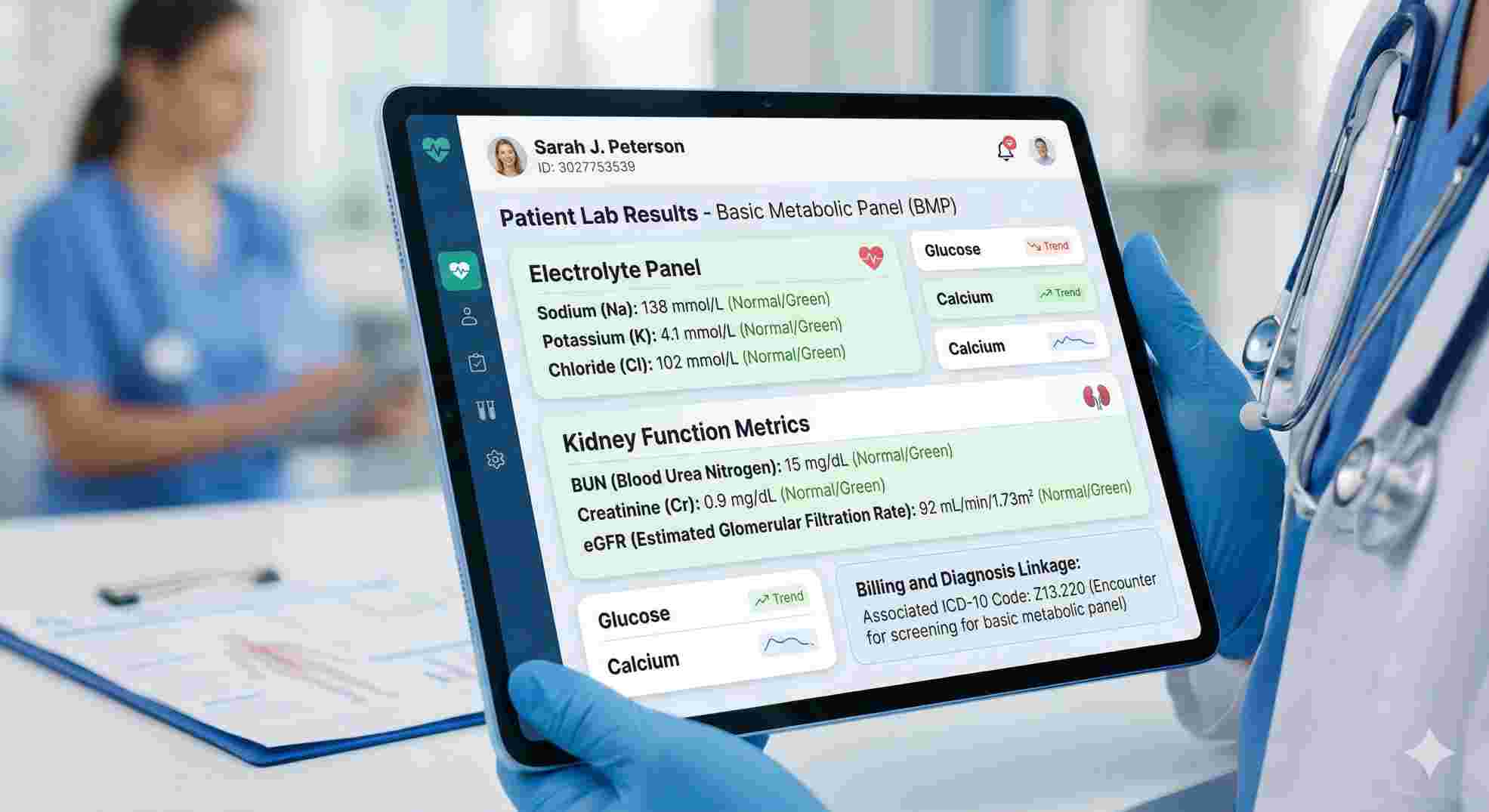
Table 2: Coding Comparison (CBC vs. CMP vs. BMP)
| Test Type | Primary Focus | Example Medical Necessity Code | Typical Scenario |
|---|---|---|---|
| CBC | Red/white cells, platelets | D64.9 (Anemia, unspecified) | Checking for infection, anemia, or clotting issues. |
| CMP | 14 markers: Organ function, sugar, electrolytes | E11.9 (Type 2 diabetes mellitus) | Monitoring chronic diseases affecting liver/kidneys. |
| BMP | 8 markers: Sugar, kidneys, electrolytes | E86.0 (Dehydration) | Focused check on fluid balance and basic kidney function. |
Finding the best icd 10 codes for Annual Checks
Preventative care is the backbone of a healthy practice, but billing for it is surprisingly tricky. When we talk about the best icd 10 codes for routine work, we really have to look at whether the patient has symptoms or not.
If someone feels great and just wants their yearly check-up, you have to use “Z” codes. These are for “encounters” rather than illnesses. Z00.00 is the standard for an adult physical, but you have to be careful. If the patient’s insurance doesn’t cover “preventative” labs, that claim is going to bounce back.
A Closer Look at Preventative Coding
This is where knowing your blood work icd 10 codes is so important. You have to match the code to the patient’s insurance plan. If you think there’s a chance a test won’t be covered, it’s always better to let the patient know ahead of time with an ABN form.
Crucial Reminder for ABN Forms
Using these forms keeps things transparent with your patients and prevents those awkward “Why did I get this bill?” phone calls later. It is all about setting the right expectations.

Table 3: Preventative vs. Diagnostic Lab Coding
| Aspect | Preventative / Screening Labs | Diagnostic Labs |
|---|---|---|
| Primary Code Type | Z-Codes (e.g., Z00.00, Z13.220) | Symptom or Disease Codes (e.g., R-codes, E-codes) |
| Patient Status | Asymptomatic, feeling healthy | Symptomatic or managing known illness |
| Billing Requirement | Must align with specific preventative benefits | Must prove medical necessity for the specific test |
| Risk of Denial | High if patient lacks preventative coverage | Low if the symptom logically matches the ordered test |
Mastering the most common icd 10 codes in Your Practice
Every clinic has a handful of codes they use all day, every day. If you want to get better at handling the icd 10 code for labs, start by making a list of the ones you use most. Most EHR systems let you create a “favorites” list, which is a lifesaver for busy staff.
Think about the big ones:
E78.5: Used for cholesterol checks.
E03.9: Used for thyroid tests.
N39.0: Used for suspected UTIs.
R79.89: Useful for follow-up blood work when a previous result was a bit off.
When your team knows these by heart, everything just moves faster. You spend less time searching and more time focusing on the patient.

Stopping Denials at the Source
At the end of the day, a clean claim starts with clear communication. You can know the perfect cbc icd 10 code, but if the provider’s notes don’t back it up, the claim will likely fail.
Encourage your providers to be as descriptive as possible. Instead of “lab work,” they should write “checking for anemia due to chronic fatigue.” That tiny bit of extra effort in the exam room makes the biller’s job a thousand times easier.
Also, keep an eye on your reports. If you see a sudden jump in denials from one insurance company, look into it right away. They might have changed their rules without a lot of fanfare. Catching those shifts early saves you from a massive headache down the line.
Of course, mastering lab codes is only one part of a healthy revenue cycle. If your clinic also prescribes psychiatric medications that require blood monitoring or provides therapeutic services alongside medical care, you know that behavioral health brings its own maze of billing rules. To make sure you aren’t leaving money on the table in other departments, it is highly recommended to read The Real Truth About Coding and Billing for Mental Health Services.
Wrapping Up Lab Billing
Good coding isn’t just about paperwork; it’s about making sure your practice stays healthy so you can keep helping patients. You work hard to provide great care, and you deserve to be paid for it. By taking a little extra time to get the cbc icd 10 code right and making sure your documentation is solid, you can stop the cycle of denials and keep your revenue steady. It’s about working smarter, not harder, and making sure every claim you send out is as strong as it can be.